

When spring rolls around, garden centers burst to life with colorful blossoms, eager homeowners, and rows of potted saplings. It’s natural to associate planting with the start of the warm season. But if you talk to arborists, horticulturists, and experienced landscapers, they’ll let you in on an open secret: Autumn is often the absolute best time to plant a tree. If you’ve been holding off on your landscape plans until next spring, here is why picking up a shovel this fall will give your new trees the best odds of thriving for decades to come.
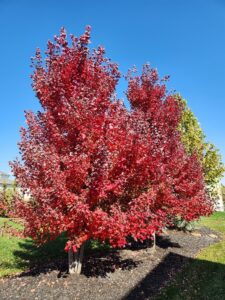
The Autumn Advantage: Nature’s Secret Formula
To understand why fall planting works so well, you have to look beneath the surface. Above ground, cooling temperatures signal deciduous trees to shut down for the winter. Photosynthesis slows, leaves turn color and drop, and the canopy goes dormant.
Below ground, however, is a completely different story:
- Warm Soil Meets Cool Air: While autumn air turns crisp, the soil holds onto summer heat for weeks. The cool air keeps the above-ground canopy from losing moisture through transpiration, while the warm subterranean environment encourages vigorous root growth.
- Winter-Long Root Establishment: Tree roots don’t need leaves to grow. As long as the soil temperature stays above roughly 40°F (4°C)—which is often well past the first surface frost—roots continue to expand, anchoring deep into native soil.
- No Brutal Summer Shock: A sapling planted in April or May has only a few short weeks to establish roots before facing 90-degree heat, scorching sun, and seasonal drought. A fall-planted tree gets months of subterranean development under its belt, making it far more resilient when its first summer arrives.
- Natural Rainfall: Autumn usually brings steadier rain and slower evaporation rates, meaning less time dragging garden hoses across the lawn and a lower risk of transplant shock.
What to Plant Now (and What to Save for Spring)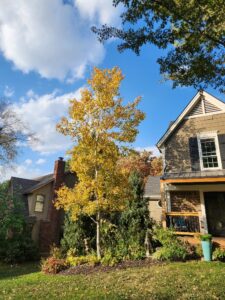
Not every tree responds to the seasons in the same way. Knowing your species helps ensure you make the right investment.
🌟 Great Choices for Fall
- Deciduous Shade Trees: Maples, honey locusts, elms, lindens, and ginkgos establish quickly and settle into warm autumn soil with minimal fuss.
- Hardy Fruit and Ornamental Trees: Apples, pears, and flowering crabapples adapt beautifully to late-season planting.
🌲 Good, but Plant Early
- Evergreens and Conifers (Pine, Spruce, Fir, Arborvitae): Because needled evergreens hold their foliage year-round, they continue to lose moisture through winter winds. Aim to plant them in late summer to early fall so their root systems can take up adequate hydration before freeze-up.
⏳ Better Left for Spring
- Slow-to-Root or Thin-Barked Trees: Varieties like magnolias, sweetgums, dogwoods, birches, and tulip poplars take longer to anchor root hairs and are more prone to frost heaving or winter desiccation if planted late. Give these a full spring season to settle.
4 Golden Rules for Successful Fall Planting
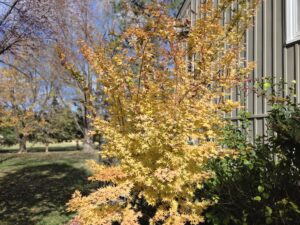 To maximize your success this season, keep these essential practices in mind:
1. Watch the 6-Week Clock
Aim to plant your tree at least four to six weeks before the ground freezes solid (not just the first light frost). This window gives root tips time to knit into the surrounding soil profile before the ground locks up.
2. Deep Watering Until the Big Freeze
Even after the leaves have dropped and your tree looks fast asleep, its roots still need moisture. Give your new tree a deep, slow soak immediately after planting. If rainfall is light, continue soaking the root zone every 7 to 10 days until hard winter freezes set in.
3. Mulch Like a Pro
Spread a 2- to 3-inch layer of organic wood mulch over the root zone out toward the drip line. Mulch acts like a thermal blanket: it keeps soil temperatures warmer longer, locks in moisture, and buffers against repetitive freeze-thaw cycles that can heave root balls out of place.
Important tip: Keep mulch pulled back 2 to 3 inches away from the trunk itself. “Mulch volcanoes” piled against the bark cause rot and invite gnawing rodents looking for a winter shelter.
4. Skip the Fertilizer
Hold off on applying high-nitrogen fertilizers until your tree’s second spring. Fertilizing in late fall can stimulate weak, tender shoot growth that will instantly blacken and die in the first hard freeze. Let the tree focus 100% of its resources on root strength.
The Takeaway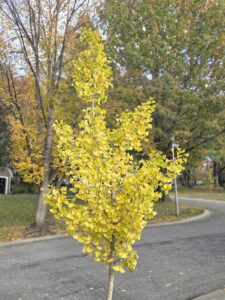
Planting in the fall takes advantage of what nature does best: resting on top while building strength below. By putting your spade to work this autumn, you bypass spring transplant stress and set your yard up for explosive, healthy growth the moment warm weather returns. Give us a call to find your perfect new tree!